Placenta Prints
The placenta, often referred to as the “afterbirth,” is a remarkable organ that develops during pregnancy to provide essential nourishment and support to the growing fetus. Acting as a lifeline between mother and baby, the placenta serves as a conduit for oxygen, nutrients, and hormones, facilitating the exchange of vital substances needed for fetal development and growth.
This incredible organ not only serves as a nutritional source but also acts as a protective barrier, filtering out potentially harmful substances and waste products from the maternal bloodstream, ensuring the well-being of the developing fetus. Additionally, the placenta plays a crucial role in hormone production, regulating key processes such as maternal-fetal circulation, immune tolerance, and the onset of labor.
After childbirth, the placenta is expelled from the mother’s body, marking the completion of the birthing process. While traditionally viewed as medical waste, some cultures and individuals recognize the placenta’s significance and choose to honor it through rituals such as consumption, burial, topical use or art.
Despite its transient nature, the placenta remains a symbol of the miraculous journey of pregnancy and childbirth, embodying the profound connection between mother and child and the awe-inspiring processes of life’s creation.
One of my favorite ways of capturing the incredible beauty of this extraordinary organ is with Placenta Prints.
Placenta prints offer a unique and deeply personal way for parents to commemorate the arrival of their new baby. Created using the natural textures and patterns found on the surface of the placenta, this art form captures the beauty and significance of this remarkable organ in a tangible and lasting form.
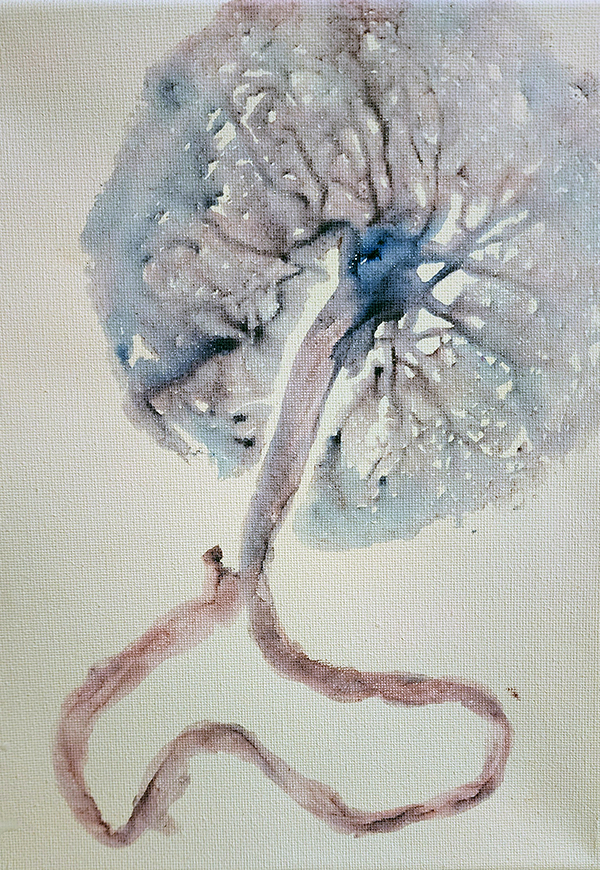
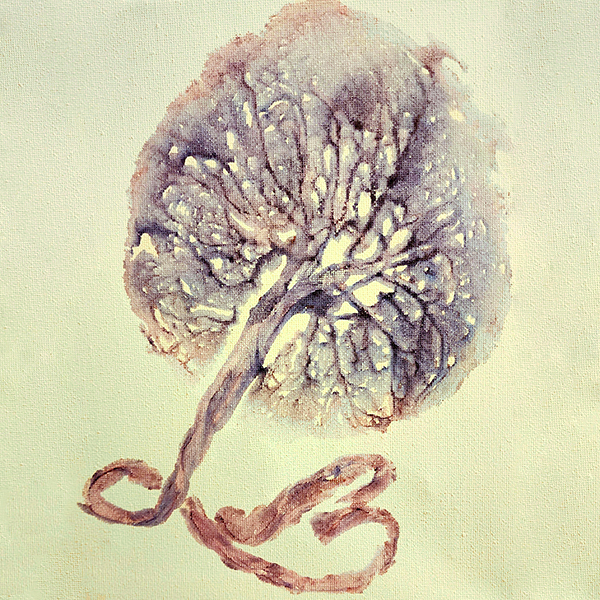
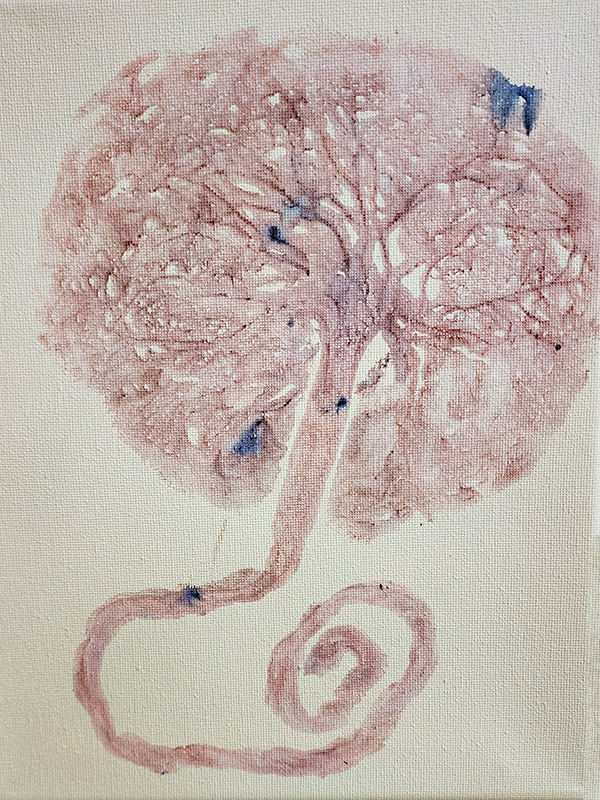
The result is a one-of-a-kind piece of artwork that reflects the unique characteristics of each individual placenta. Interestingly, the characteristics look like that of a tree, which is why it is also appropriately referred to as the “Tree of Life.”
Placenta Prints can be done using your own residual blood from the placenta for a natural look, which also ensures that the cord and placenta isn’t dyed and retains the natural color for the Cord Keepsake. Or they could be painted with food grade gel coloring. This stains a portion of the placenta on the fetal side and is still safe to process and consume. If you are getting coloring on the cord itself, it will be dyed and will reflect that color in the final Cord Keepsake result. You can opt to keep the natural color by using blood for the cord part of the print and dye for the placenta itself.
You would be surprised at how versatile even just using one dye color can be regarding the different prints you can create.
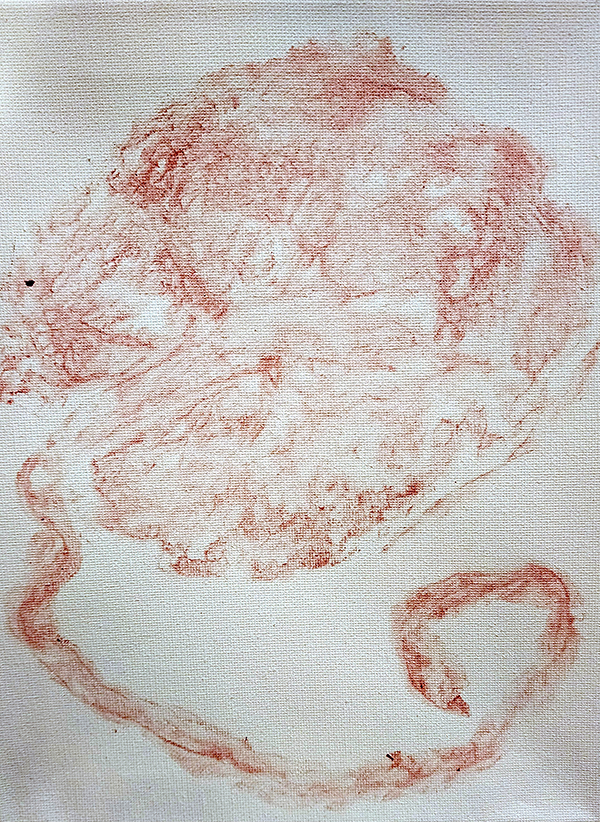
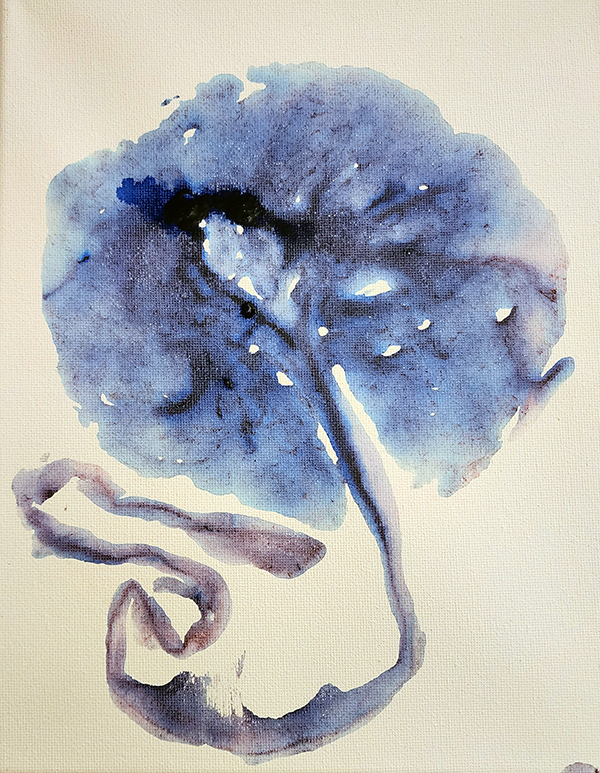
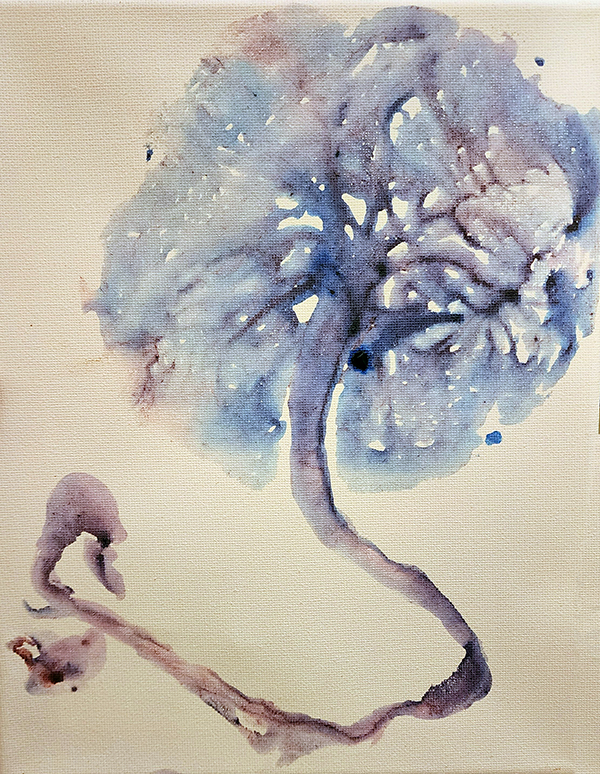
The images above are all the same placenta with a deep blue-purple dye. You can see the different saturation levels, water levels, and the residual blood mixing in for a multi-color effect. The first is residual blood only. The second is after rinsing and spreading the dye all over. I then just kept doing prints on the different canvases without adding anything more. You can see how it changes from a watercolor looking effect to a very detailed mixed color look, and then back to pretty much blood.
Imagine what can be done with painting the parts with dye individually, such as brown for the cord and veins and green for the placenta, to take on the image of a tree. The possibilities are endless!